
Buying marble is an important investment for any home, commercial building or construction project. Whether you are purchasing Makrana White Marble, Indian Marble, Imported Marble or premium natural stone, one of the first things most buyers compare is the price per square foot.
However, is choosing the cheapest marble quote always the right decision? The answer is no.
The cheapest marble is not always the cheapest option, and the most expensive marble is not always the best quality.
There are several factors that determine the actual value of marble, including its thickness, strength, internal cracks, softness, colour consistency, pattern, surface quality and the overall condition of the lot.
Two suppliers may offer the same variety of marble at different prices. However, the actual material inside their respective lots may be completely different.
Understanding these differences can help you make a better purchasing decision and avoid unnecessary expenses during installation and in the long run.
At Evershine Marbles, we believe customers should understand the quality of the material before comparing its price. Here is a practical guide to choosing the right marble and comparing marble quotes from different suppliers.
1. Why the Cheapest Marble Is Not Always the Best Option
Cheapest Marble is a trouble when customers receive quotations from different marble suppliers, they often select the supplier offering the lowest price.
But marble is a natural stone, and every lot can have different characteristics. Even marble from the same variety and quarry can differ in quality.
For example, you might find two lots of the same marble variety:
- Lot A is available at a lower price but contains internal cracks, fillings and irregular patterns.
- Lot B is slightly more expensive but has better consistency, fewer internal defects and more uniform quality.
At first glance, Lot A appears to be the better deal. However, after cutting, polishing and installation, the actual usable material may be considerably lower.
This can result in additional wastage, replacement costs and installation difficulties.
Therefore, instead of selecting marble based only on its price, always examine the actual quality of the material.
2. Check for Internal Cracks and Hidden Defects
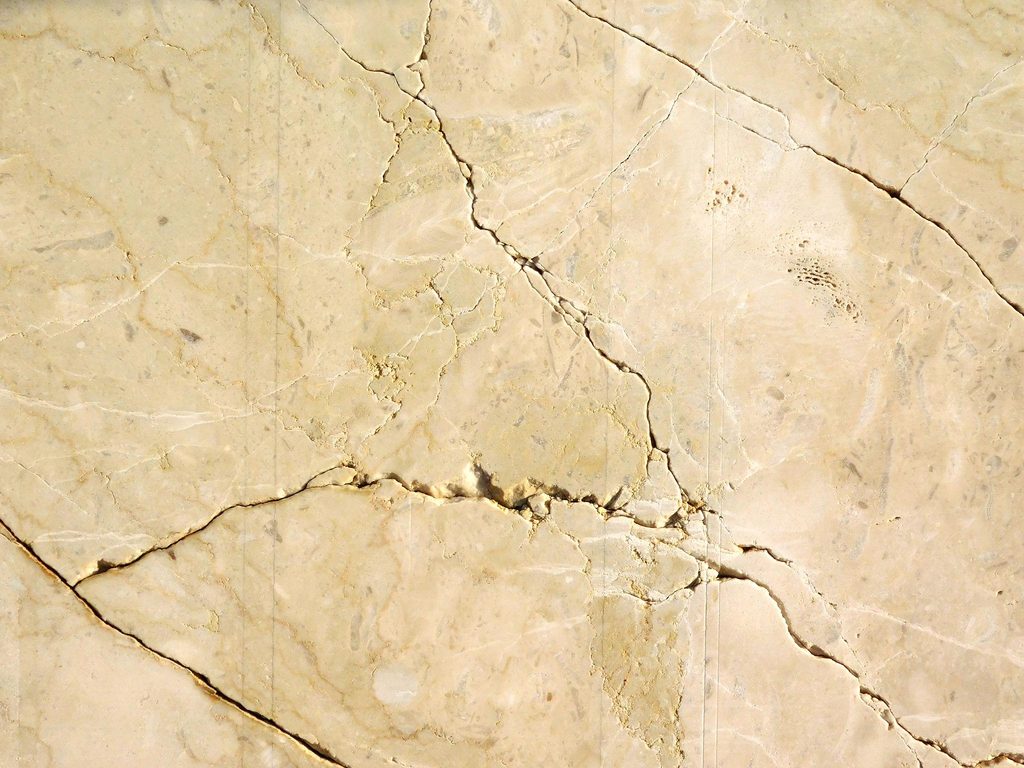
One of the most important things to check when purchasing marble is its internal condition.
A Cheapest marble slab may look beautiful from the outside, but its internal structure can tell a different story.
Some materials contain natural cracks, weak sections, internal lines or filled areas. These characteristics may not always be clearly visible during a quick inspection.
Why does this matter?
- Internal cracks can create difficulties during cutting and handling.
- Weak sections may increase the possibility of breakage.
- Excessive filling can affect the appearance and uniformity of the finished surface.
- Poor internal consistency can increase material wastage.
Buyers should carefully inspect the slabs and ask the supplier about any visible cracks, fillings or weak sections.
Remember that natural veins and patterns are normal in marble. However, structural cracks and weak areas should not be confused with natural patterns.
3. Understand the Strength and Softness of Marble
Not every cheapest marble variety has the same physical properties.
Some natural stones are relatively softer and require more careful handling, cutting, installation and maintenance.
For example, certain varieties of Banswara Vietnam Marble and Satvario Marble may have comparatively softer characteristics. However, the actual properties can vary depending on the particular material and lot.
This is why buyers should not judge marble only by its appearance.
Before purchasing, consider:
- Material strength and internal consistency.
- Resistance to scratches and everyday wear.
- Possibility of breakage during cutting.
- Suitability for flooring, wall cladding or other applications.
- Maintenance requirements.
A marble that looks attractive but is not suitable for your intended application may not be the right purchase.
Always evaluate the actual lot instead of assuming that every variety has identical quality.
4. Check Thickness Before Comparing Marble Prices
Thickness is another major factor when comparing marble quotations.
Two suppliers may quote different prices for what appears to be the same marble. However, one supplier may be offering thicker slabs while another may be offering thinner material.
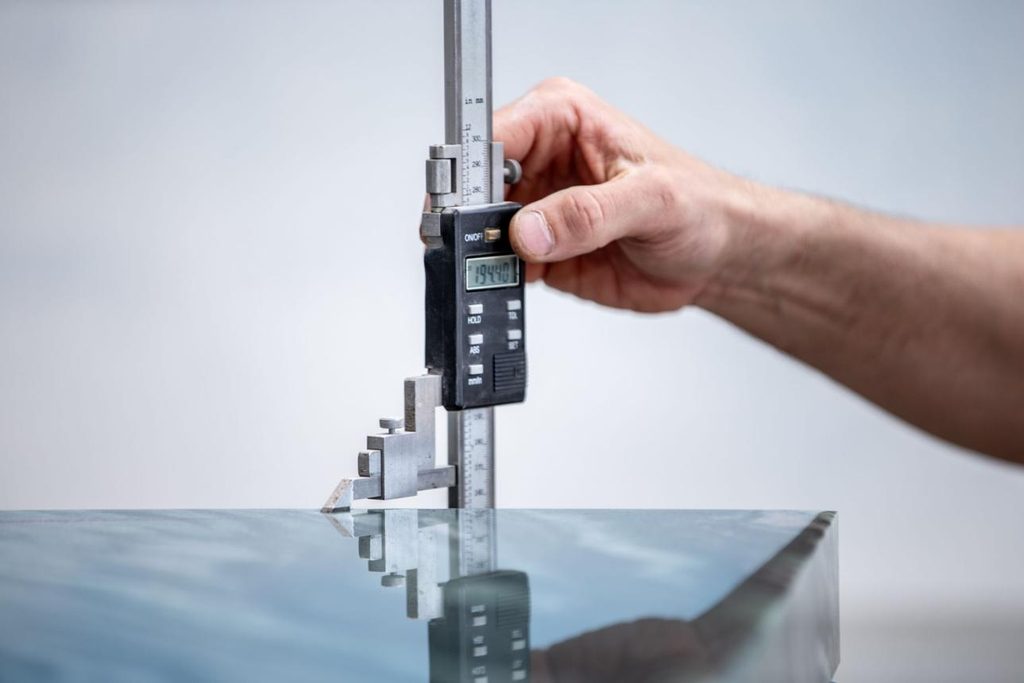
For example, consider the following:
- Supplier A offers marble with a thickness of 16 mm.
- Supplier B offers marble with a thickness of 18 mm.
Even if both suppliers offer the same variety, their prices should not be compared without considering the thickness difference.
Always ask the supplier about:
- Actual slab thickness.
- Thickness consistency across the lot.
- Whether the material has been calibrated.
- Whether the quoted thickness is nominal or actual.
A small difference in thickness can make a difference in material suitability, handling and installation.
Therefore, compare marble quotations only after confirming that the specifications are similar. Look at cheaper marble thickness also
5. Compare Slab Sizes and Available Dimensions
Expensive and cheapest marble slabs are available in different sizes, and slab dimensions can affect the overall value of your purchase.
For example, two suppliers may offer the same marble at the same price per square foot, but one lot may contain larger slabs while the other contains smaller or irregularly sized slabs.
Larger and more uniform slabs may be more suitable for certain projects because they can reduce joints and improve the overall appearance.
Before purchasing, check:
- Length and width of the slabs.
- Availability of larger dimensions.
- Consistency in slab sizes.
- Number of usable slabs in the lot.
- Whether the dimensions suit your project requirements.
Do not compare only the price per square foot. Compare the actual sizes and usable material available in each lot.
6. Understand Colour and Pattern Consistency
Natural marble is known for its unique colours, veins and patterns. However, not every lot has the same level of consistency.
Even within the same marble variety, some lots may have uniform shades and patterns, while others may contain significant colour variations.
For example, one lot may have:
- Consistent white or grey shades.
- Similar patterns across most slabs.
- Uniform background colour.
- Better visual matching between slabs.
Another lot of the same variety may contain different shades, irregular patterns and noticeable variations.
This is particularly important when purchasing marble for large flooring projects, hotels, commercial buildings or premium residential properties.
Always inspect multiple slabs from the lot instead of selecting a single attractive piece.
7. Check the Complete Lot, Not Just the Best Slab
This is one of the most important points that marble buyers should understand.
A supplier may show you a beautiful slab that represents the best material available in the lot. However, the remaining slabs may have different qualities.
For example, the first few slabs may look excellent, but slabs from the middle or lower portion of the bundle may have:
- Different shades.
- More cracks.
- Additional fillings.
- Irregular patterns.
- More natural defects.
- Different levels of material consistency.
This can create problems when the entire lot is used for one project.
Always inspect the lot as a whole, not just the selected display slabs.
Ask the supplier to show you different slabs from the bundle. Check the top, middle and bottom portions wherever possible.
You should also understand the quality distribution within the lot. A lot with consistent quality throughout is generally more dependable than one where only a few slabs have excellent quality.
8. Why Paying More Does Not Always Mean Buying Better Marble
Many buyers believe that a higher-priced marble must automatically be of better quality.
However, this is not always true.
Marble prices can differ because of several factors, including:
- Supplier margins.
- Stock availability.
- Transportation costs.
- Quarry or sourcing location.
- Lot quality.
- Slab dimensions.
- Thickness.
- Market demand.
For example, one supplier may quote a higher price for a particular marble variety, while another supplier may offer a better-quality lot at a more reasonable price.
Similarly, a lower-priced lot may sometimes offer excellent value if its quality, thickness and specifications meet your requirements.
Therefore, the correct approach is not to purchase the cheapest material or automatically select the most expensive one.
Instead, compare the actual quality against the price being offered.
The best purchase is the marble that offers the right combination of quality, suitability and price.
9. How to Compare Marble Quotes From Different Suppliers
When comparing marble quotations, you should follow a systematic approach.
Instead of comparing only the final price, ask every supplier for the same information.
Here are the most important factors to consider:
A. Marble Variety and Origin
First, confirm that both suppliers are offering the same marble variety.
Ask where the marble comes from and whether it is Indian or imported material.
Different quarries and sourcing locations can produce variations in quality, colour and characteristics.
B. Thickness and Dimensions
Check the actual thickness and slab sizes offered by each supplier.
Make sure you are comparing similar specifications.
C. Lot Quality
Ask to inspect the actual lot before finalising your purchase.
Look for cracks, fillings, colour changes, irregular patterns and differences in material consistency.
D. Material Strength
Understand whether the material is relatively hard or soft and whether it is suitable for your intended application.
E. Shade and Pattern Consistency
Check multiple slabs to understand how much variation exists throughout the lot.
F. Usable Material and Wastage
Consider how much of the purchased material will actually be suitable for your project.
A lower-priced lot with excessive defects may result in higher overall costs.
G. Transportation and Other Charges
Compare the complete delivered cost, including:
- Marble price per square foot.
- GST, wherever applicable.
- Loading and unloading charges.
- Transportation costs.
- Packaging and handling charges.
- Other applicable expenses.
This will help you understand the actual cost rather than comparing incomplete quotations.
10. A Practical Example: Comparing Two Marble Lots
Let’s understand this with a simple example.
Suppose two suppliers are offering the same variety of marble.
| Particulars | Supplier A | Supplier B |
|---|---|---|
| Price per sq. ft. | ₹100 | ₹115 |
| Thickness | 16 mm | 18 mm |
| Slab sizes | Irregular | More uniform |
| Internal cracks | More noticeable | Fewer visible defects |
| Filling | More filling | Less filling |
| Shade consistency | More variation | More uniform |
| Overall lot quality | Average | Better |
In this example, Supplier A offers a lower price. However, Supplier B offers better specifications and more consistent material.
If the buyer is looking for uniform material for a premium flooring project, Supplier B may offer better overall value.
However, this does not mean that Supplier B is automatically the better choice in every situation. The actual material should be inspected, and the buyer should consider the project’s requirements.
This example highlights an important principle:
Never compare two marble quotations without comparing the actual material being offered.
11. Questions to Ask Before Buying Marble
Before finalising your marble purchase, ask your supplier these questions:
- What is the origin of the marble?
- What is the actual thickness?
- What are the available slab dimensions?
- Is the material hard or relatively soft?
- Are there any internal cracks or filled sections?
- How consistent are the shades and patterns?
- Can I inspect the complete lot?
- Is the quality consistent throughout the bundle?
- What is the final price, including applicable additional charges?
- Is the material suitable for my intended application?
Getting clear answers to these questions will help you compare suppliers more confidently.
12. Why Choosing the Right Marble Manufacturer and Supplier Matters
Choosing a reliable marble manufacturer and supplier is just as important as choosing the right marble variety.
An experienced supplier should help you understand the actual quality of the material rather than simply offering a price.
At Evershine Marbles, we believe that customers should make purchasing decisions after understanding the material, its specifications and the quality of the available lot.
With a focus on Indian marble, Makrana Marble and different natural stone varieties, we encourage buyers to compare the actual material before making a decision.
Whether you are looking for Makrana Plain White Marble, Albeta Marble, Dungri Marble or other natural stone varieties, understanding the quality of each lot is essential.
Our approach is simple: the right marble should match your requirements, quality expectations and budget.
Conclusion: Compare Quality Before Comparing Price
Buying marble is not simply about finding the lowest price per square foot. It is about finding the right material for your project.
A cheaper lot may contain internal cracks, weak sections, irregular patterns, excessive fillings or inconsistent shades. Similarly, a higher-priced lot does not automatically guarantee better quality.
Always check the thickness, slab dimensions, material strength, origin, internal condition and overall lot consistency.
Most importantly, inspect the complete lot instead of judging the material from just one or two slabs.
The cheapest marble is not always the cheapest option, and the most expensive marble is not always the best option. The smartest purchase is the one where you get the right quality at the right price.
If you are planning to purchase marble, take the time to compare the actual material offered by different suppliers. A little attention before purchasing can help you avoid unnecessary wastage, additional expenses and disappointment later.